In the Chinese conception of time, Chinese New Year is a vital juncture for new beginnings and new prospects, while the Twelve Chinese Zodiac Signs serve as cultural markers of time cycles. Among the zodiac animals, the fire horse symbolises vitality, freedom, reliability, progress, and success.
The 2026 circulating commemorative coin for the Year of the Horse marks the final issue of the second series of Chinese New Year commemorative circulating coins. It exhibits two distinct design and material characteristics. The coin employs a brass outer ring and a cupronickel inner core, forming a ‘golden picture frame’ that highlights the embossed design.
The design adopts the structural framework of subject (the zodiac), scene (the flower lantern), and ornamentation (the floral motifs). In addition, traditional Chinese paper-cut patterns adorn the zodiac animal.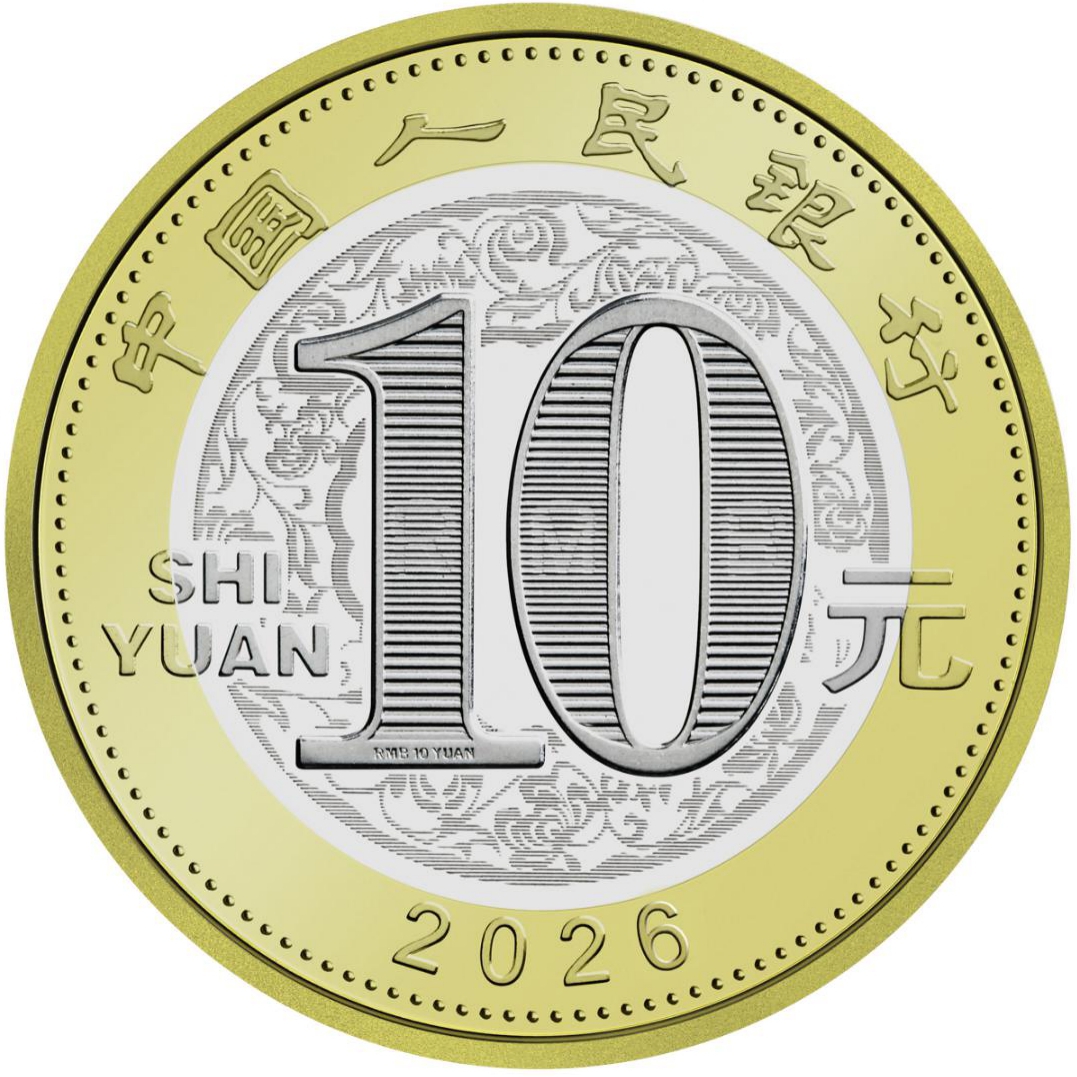
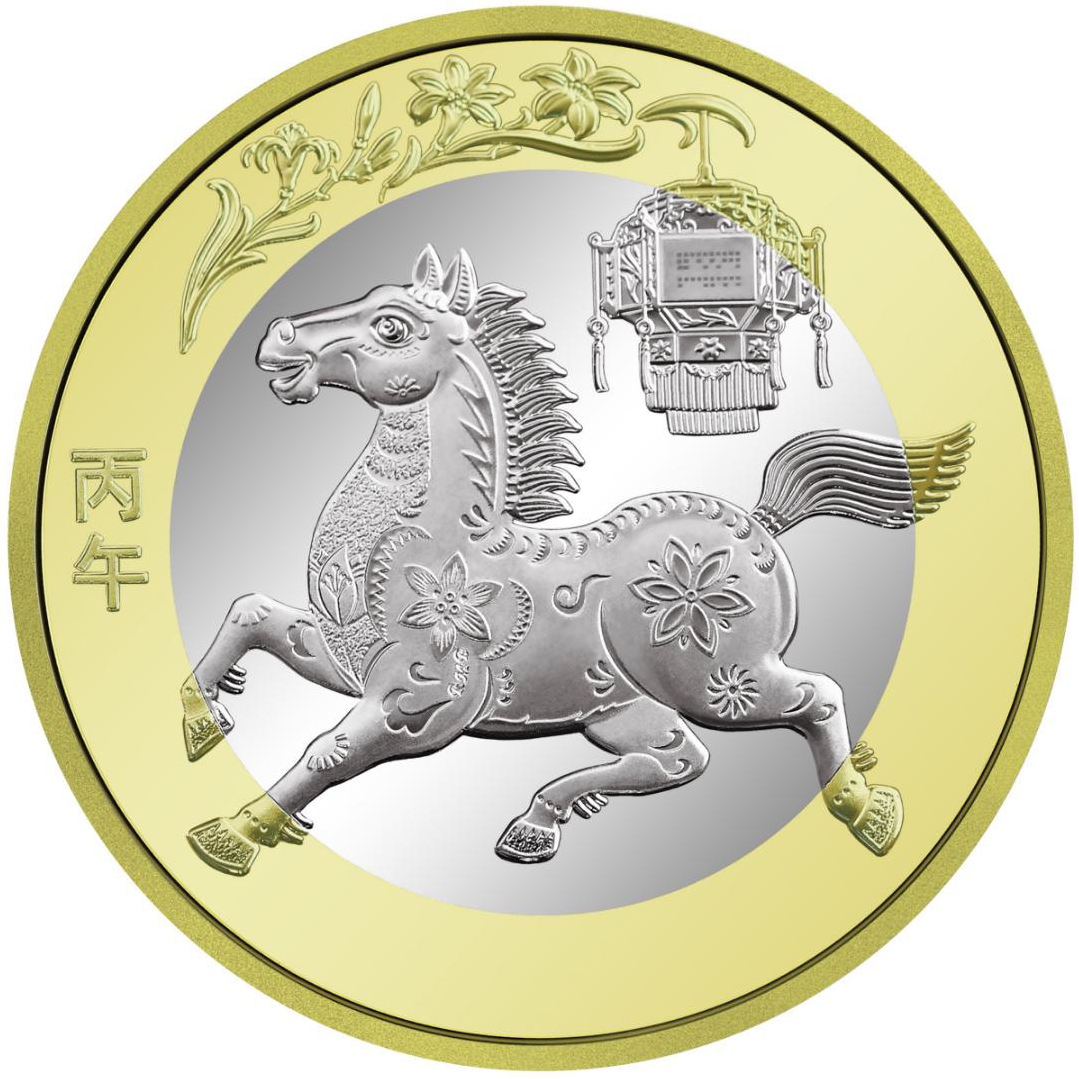
The coin edge features neatly arranged alternating full and half reeded edges, with hidden ‘RMB’ and ‘10’ micro-lettering between the denomination markings. The flower lantern and horse motifs incorporate intricate dot matrices and micro-text. The reverse bears the Chinese characters ‘丙午’ (Bingwu), the traditional Chinese Sexagenary Cycle designation for the 2026 Year of the Horse.
The centre of the reverse is a galloping horse, with a powerful and energetic physique, radiating health and vitality. Its design draws inspiration from the Tang Dynasty tri-colour glazed pottery horses (Tang Sancai) and the Eastern Han bronze ‘Flying Horse’. The Tang pottery horses, with their sturdy and imposing form, symbolise the prosperity and open cultural atmosphere, while the Han bronze ‘Flying Horse’ captures a sense of lightness and speed. The designers blend these two styles to create a uniquely Chinese galloping horse.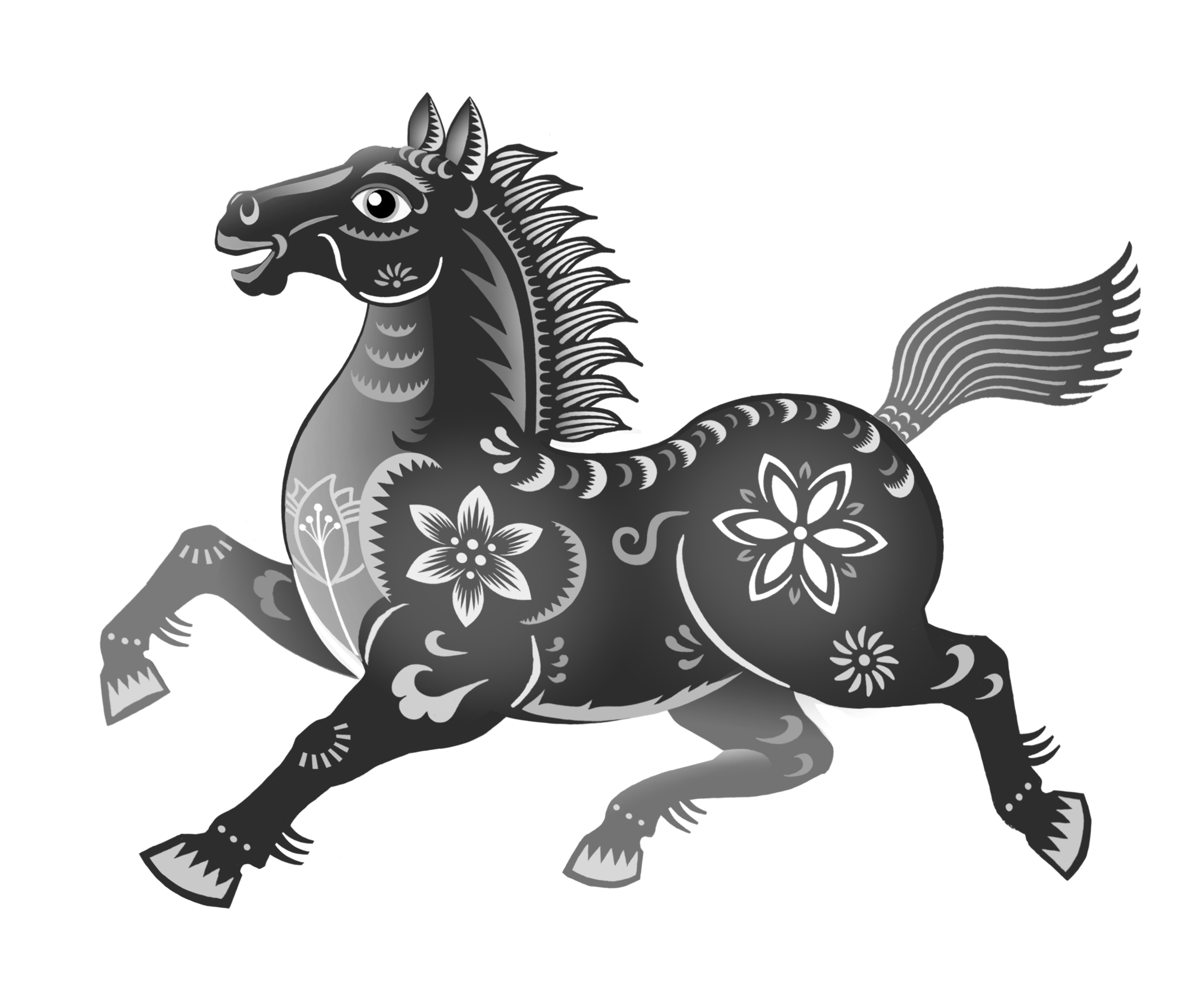
The patterns on the horse are inspired by traditional Chinese paper-cutting, a statelevel intangible cultural heritage. Crafted with scissors or knives on red paper, these artworks are typically used during festive occasions such as the Spring Festival and weddings, embodying rich Chinese aesthetics.
According to the coin’s producer, the China Banknote Printing and Minting Corporation, the horse’s decorations reflect the ‘ingenuity, delicacy, and translucency’ of Chinese paper-cut art. Traditional patterns like floral motifs and crescent moon designs are rendered through metal sandblasting and mirror-polishing techniques, creating contrasts of density, solidity, and lightness to enhance the folk cultural characteristics of the horse.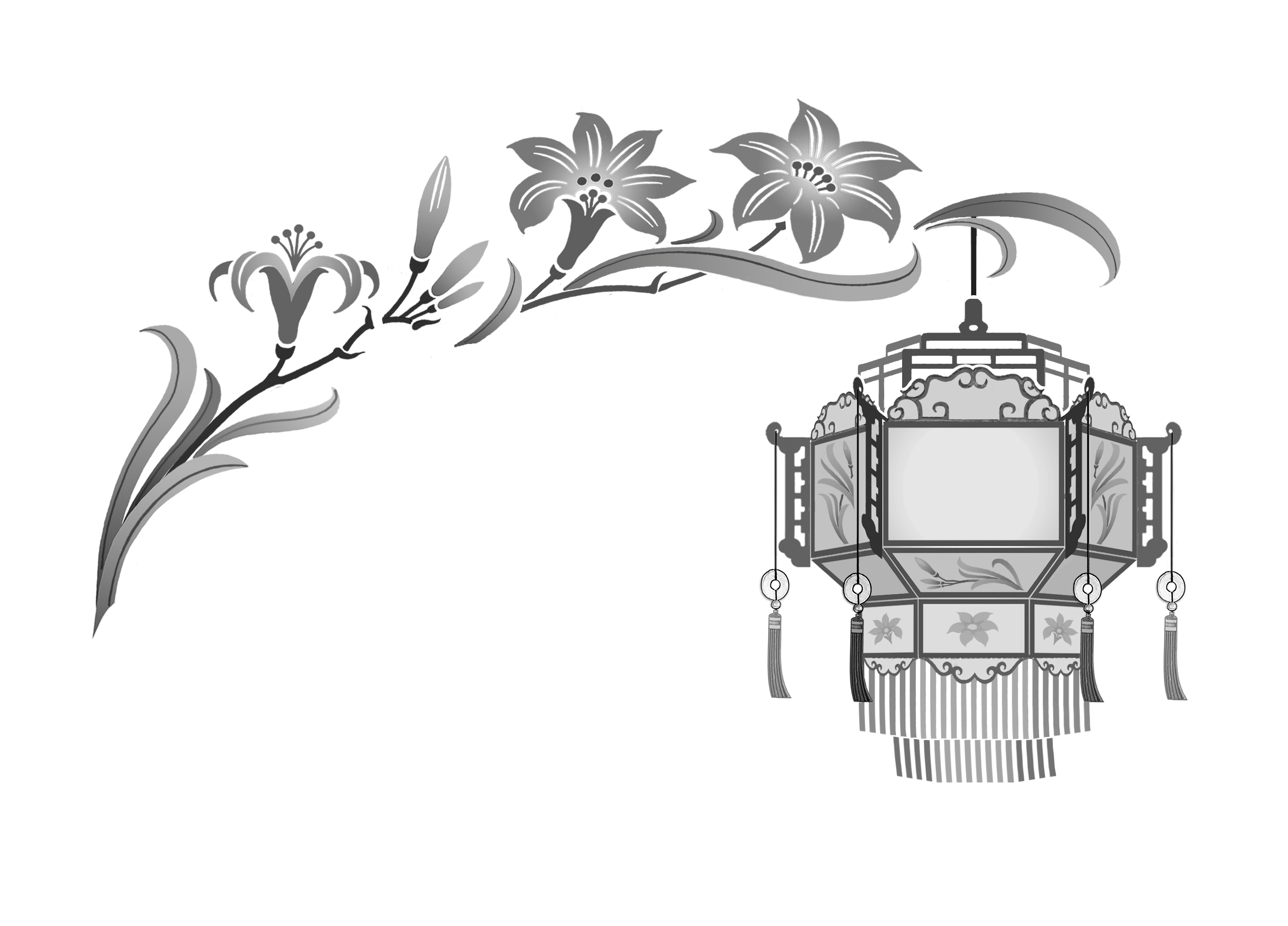
To the upper right of the galloping horse is a flower lantern, an important symbol of the Spring Festival atmosphere, as hanging beautiful lanterns is a beloved Chinese tradition during the holiday. The gently swaying lantern’s tassels, as if blown by the wind, accentuate the horse’s unstoppable forward momentum.
The patterns on the lantern and the floral motifs suspending it are ‘day lilies’ (Hemerocallis fulva), also known as ‘forgetyour-sorrow grass’, symbolising the wish to cast away worries and embrace peace and smooth fortune. These day lily patterns form a visual bridge between background elements, creating a cohesive decorative effect that links the galloping horse and the lantern.